

















מוצרים אחרונים
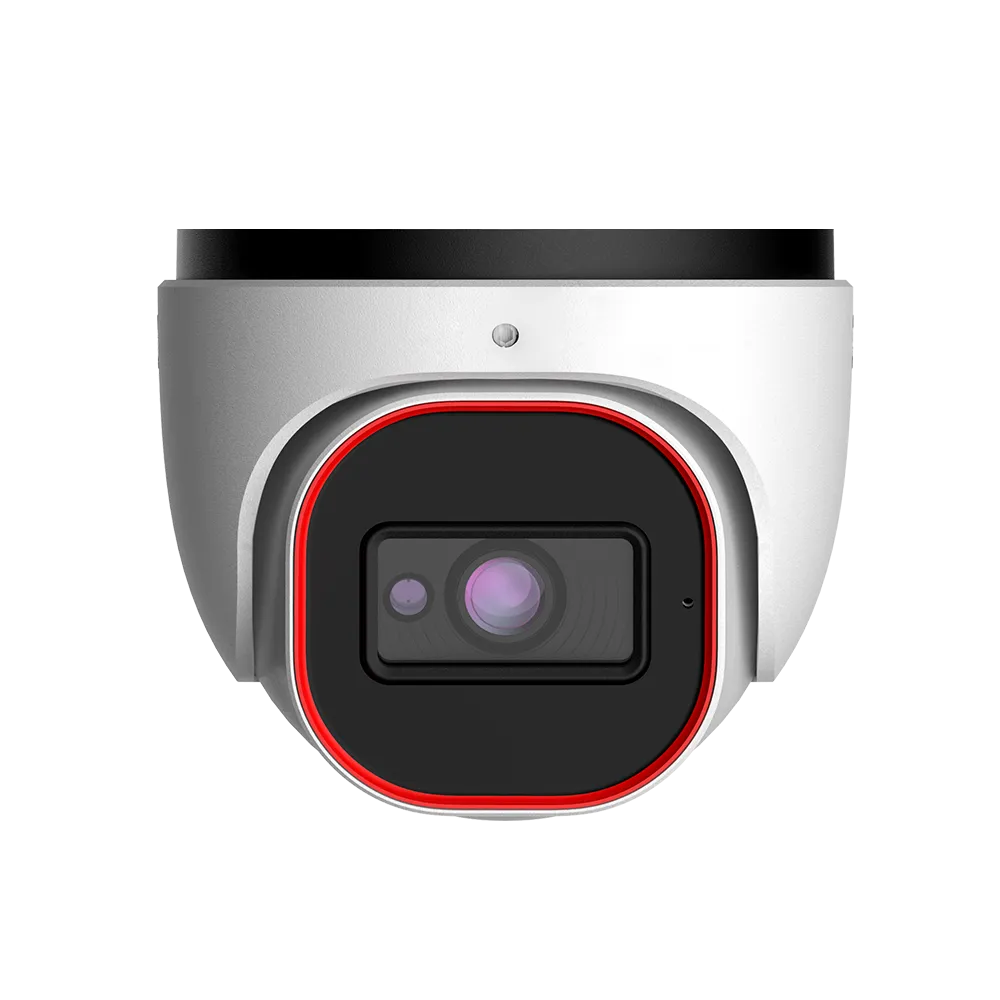
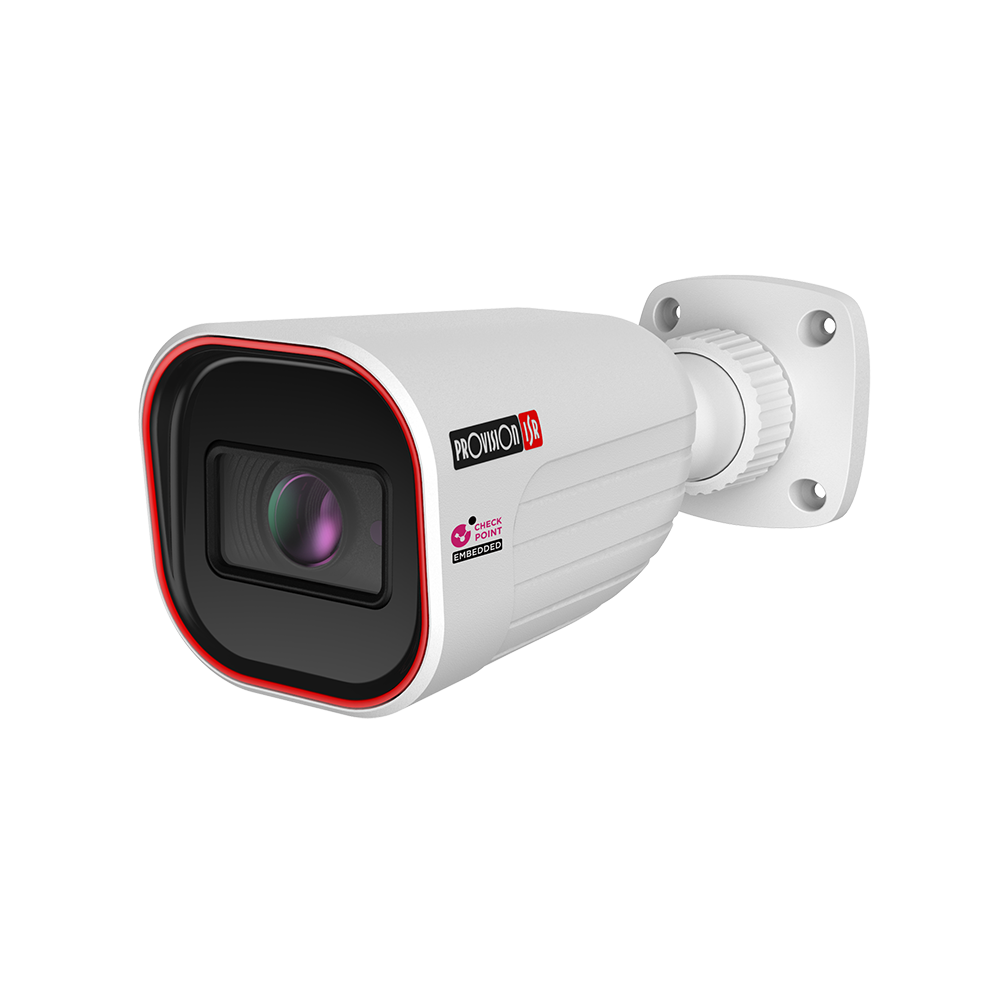
כמובן, נשמע כאילו יש צורך לארגן ולפשט את שם המוצר תוך כדי שמירה על המפרט הטכני החשוב שמבדיל אותו ממוצרים אחרים. הנה הצעה לניסוח מחודש וברור יותר: מצלמת רשת PROVISION nan I4-320IPEN-MVF – עדשה חשמלית מתכווננת, IP67 בניסוח זה, הסימון "nan" והדגם "I4-320IPEN-MVF" נשארים כחלק מהשם לשם זיהוי מדויק של המצלמה, אך המידע על העדשה וההגנה ממים מסודר באופן שמדגיש את היתרונות העיקריים של המוצר בצורה ברורה וקולחת יותר.
מוצר: מצלמת רשת PROVISION דגם DAI-380IPSN-28-V2 עם עדשה קבועה, עמידה בתקן IP67
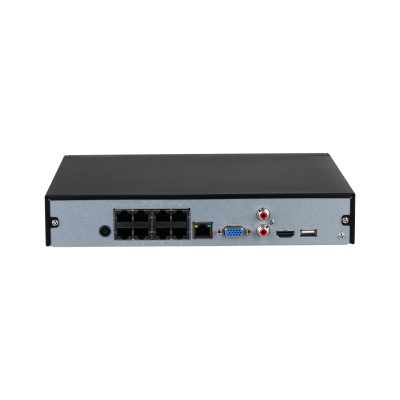
מערכת ההקלטה Dahua NVR4108HS-8P-4KS2/L POE: יחידת אבטחה דיגיטלית ל-8 ערוצים עם דיסק קשיח בנפח 1TB
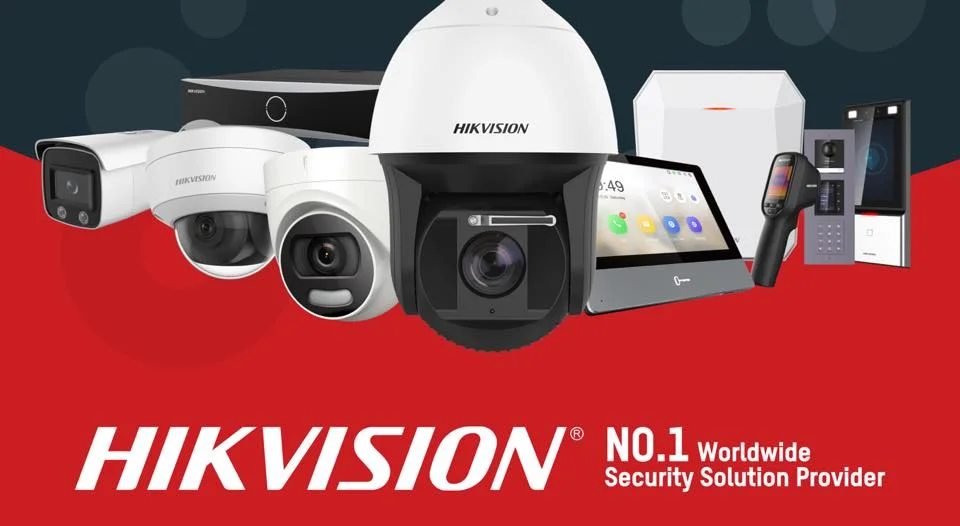
מצלמות אבטחה HIKVISION
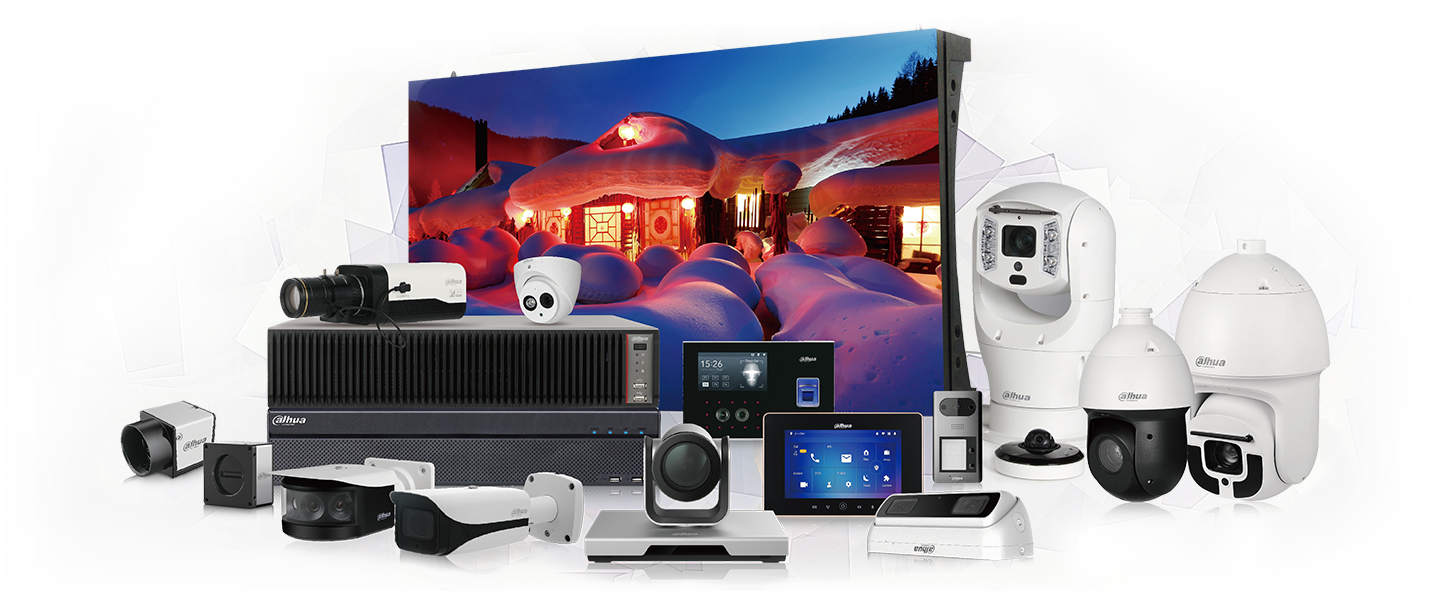
מצלמות אבטחה DAHUA/ דאהוא
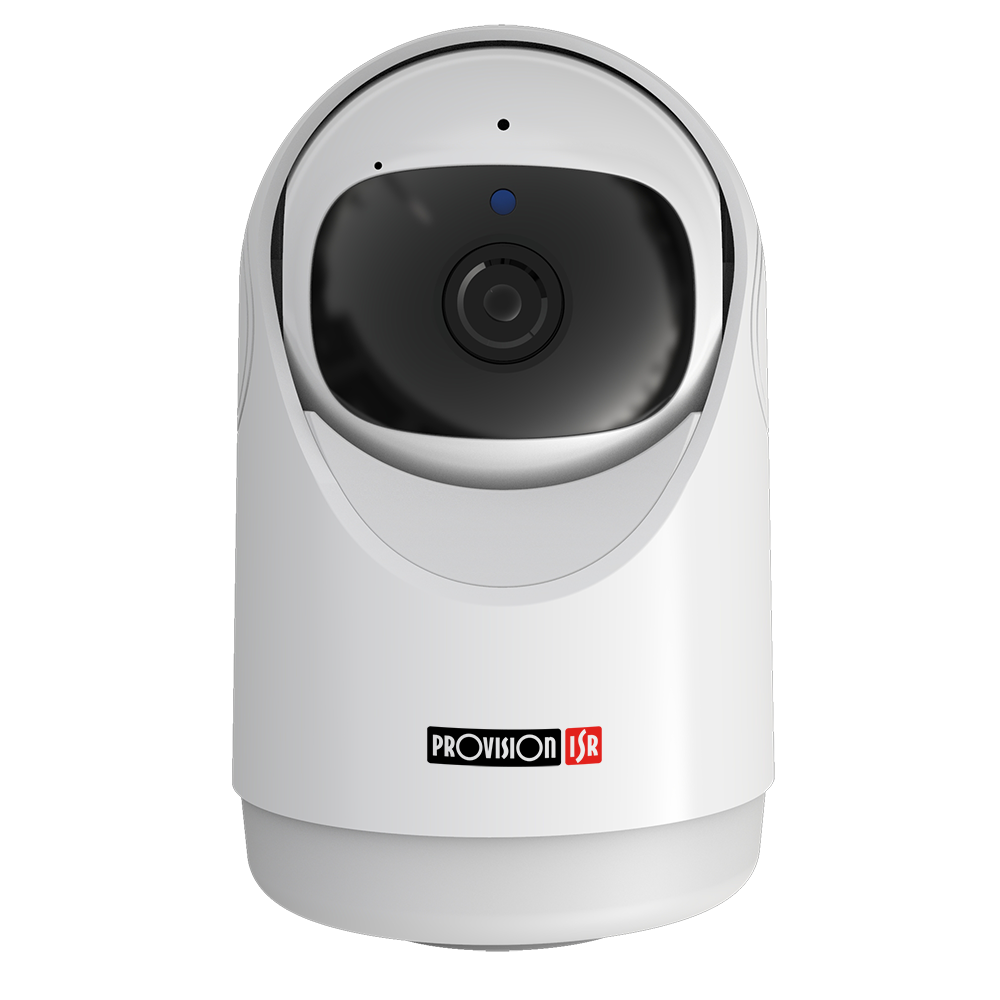
מצלמות אבטחה פרוויזין /PROVISION-ISR
Online store of household appliances and electronics
Then the question arises: where’s the content? Not there yet? That’s not so bad, there’s dummy copy to the rescue. But worse, what if the fish doesn’t fit in the can, the foot’s to big for the boot? Or to small? To short sentences, to many headings, images too large for the proposed design, or too small, or they fit in but it looks iffy for reasons.
A client that's unhappy for a reason is a problem, a client that's unhappy though he or her can't quite put a finger on it is worse. Chances are there wasn't collaboration, communication, and checkpoints, there wasn't a process agreed upon or specified with the granularity required. It's content strategy gone awry right from the start. If that's what you think how bout the other way around? How can you evaluate content without design? No typography, no colors, no layout, no styles, all those things that convey the important signals that go beyond the mere textual, hierarchies of information, weight, emphasis, oblique stresses, priorities, all those subtle cues that also have visual and emotional appeal to the reader.